Calorific Value
Calorific Value
Calorific Value of Briquettes Made from Various Raw Materials. Calorific Value (CV) is the amount of energy produced by the complete combustion of any type of fuel, i.e., biomass briquettes or biomass pellets, at a constant temperature under normal burning conditions. The burning efficiency of the fuel mainly depends on its calorific value. If the CV is high, then the efficiency will also be high and vice versa. Here is the list of some different types of biomass materials whose CV is tested after turning them into biomass briquettes and biomass pellets.
| Types of Material | Ash% | Calorific Value |
|---|---|---|
| Arhar Stalk | 1.98 | 4000 |
| Babool Stalk | 0.99 | 4650 |
| Bagasse | 22.1 | 4500 |
| Bamboo Dust | 8 | 4160 |
| Barks Wood | 4.4 | 1270 |
| Coffee Husk | 3.2 | 4371 |
| Coconut Shells | 1.9 | 5200 |
| Cotton Stalks/Chips | 14.6 | 3900 |
| Coir Pitch | 9.1 | 4146 |
| Corn Cobs | 1.1 | 3700 |
| Cow Dung | 14.89 | 3240 |
| Eucalyptus Wood | 1.2 | 4300 |
| Groundnut Shells | 2.3 | 4600 |
| Jute Waste | 3 | 4428 |
| Maize Stalk | 2.1 | 3800 |
| Mustard Shell | 3.7 | 4300 |
| Types of Material | Ash% | Calorific Value |
|---|---|---|
| Mustard Straw | 8.2 | 4400 |
| Pine Needles | 1.86 | 4000 |
| Palm Husk | 4.9 | 3900 |
| Paddy Straw | 15.5 | 3469 |
| Press Mud (Maili) | 14.25 | 3600 |
| Paper Waste | 1.5 | 4801 |
| Rise Husk | 15.5 | 3400 |
| Sawdust | 0.7 | 4200 |
| Sawdust + Cow Dung | 8.2 | 3898 |
| Subabul Wood | 1.0 | 4700 |
| Soya Bean Husk | 4.1 | 4170 |
| Sunflower Stalk | 1.9 | 4400 |
| Sugarcane Leaves | 7.7 | 4390 |
| Tea Waste | 3.8 | 4237 |
| Wood Chips | 1.2 | 4785 |
| Wheat Straw | 6.4 | 4100 |
Explore Our Products
We are the Biomass Briquetting Machine manufacturer of renewable and non-conventional energy equipment i.e. Briqueting plants and machinery for converting agro-forestry waste into white coal; Biomass Briquetting Machines Systems & other energy equipment. For maintaining a consistent level of supremacy in our offered range, we ensure that all our products are developed only from premium grade factor inputs sourced from authentic vendors.
Biomass Briquetting Machine India come in various types and sizes, ranging from small manual machines to large automated ones. The process of making briquettes involves compressing the raw material under high pressure to form dense briquettes that can be burned for energy. The raw materials used for making briquettes in India include agricultural waste such as rice husk, straw, and sugarcane bagasse, and forestry waste such as sawdust and wood chips.
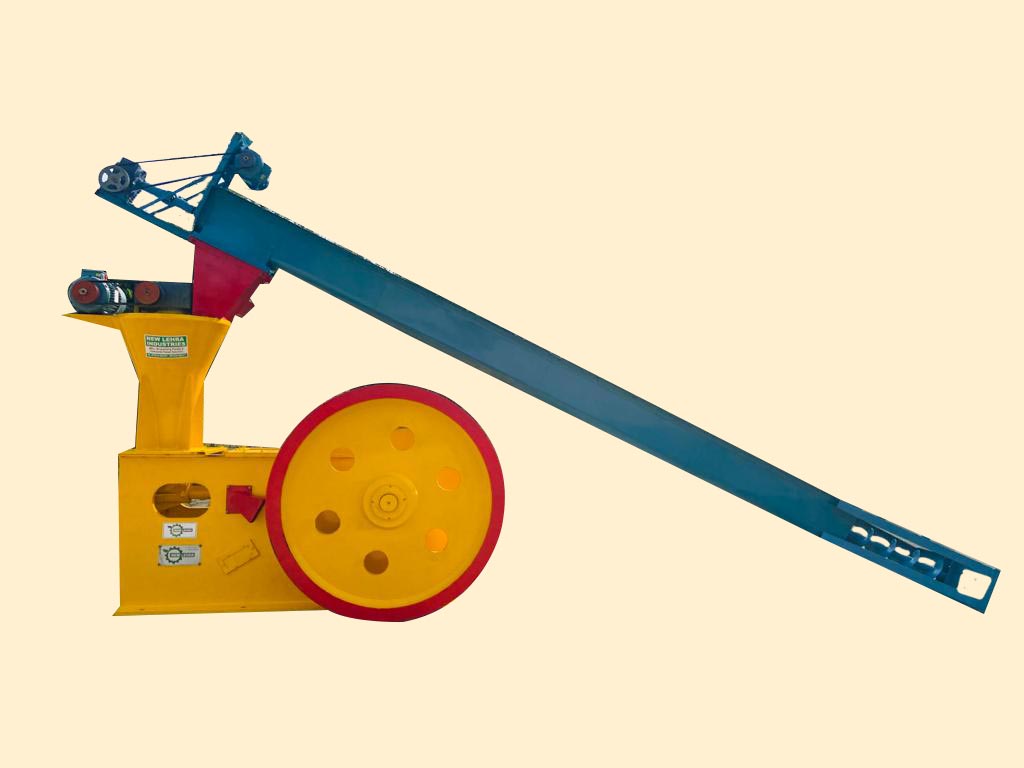
Briquette Machine is used to make Briquette out of any agricultural and forest waste.
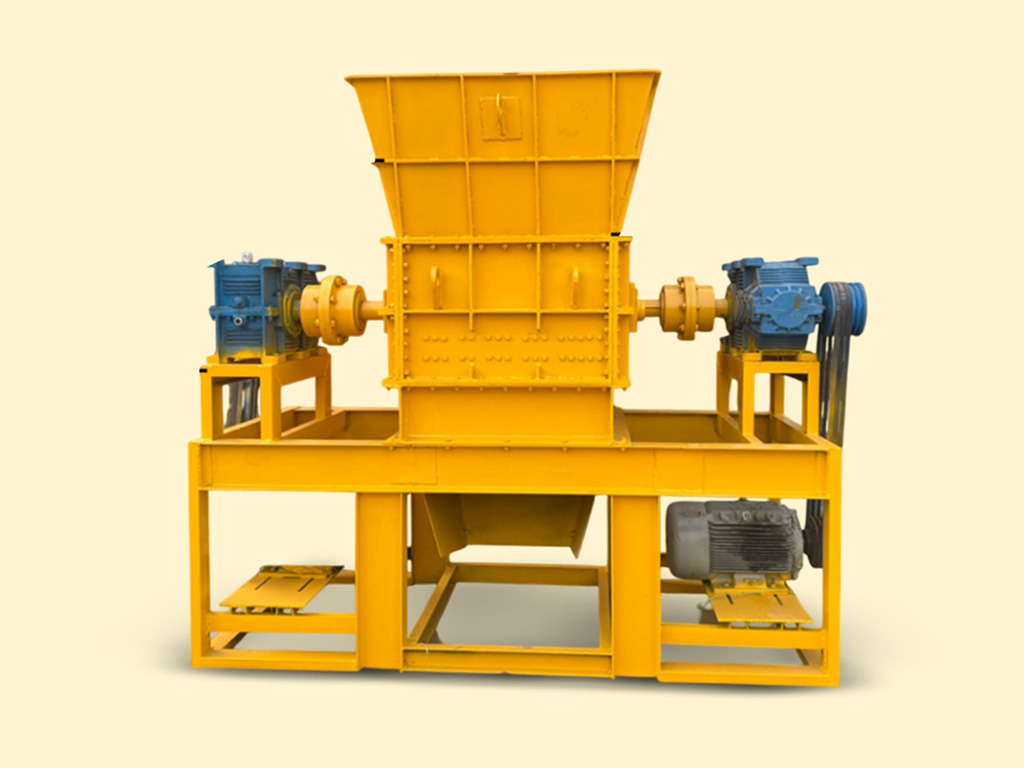
The New Lehra Dual Shaft Shredder Machine is a robust shredding solution engineered to process a wide range of solid waste materials efficiently.
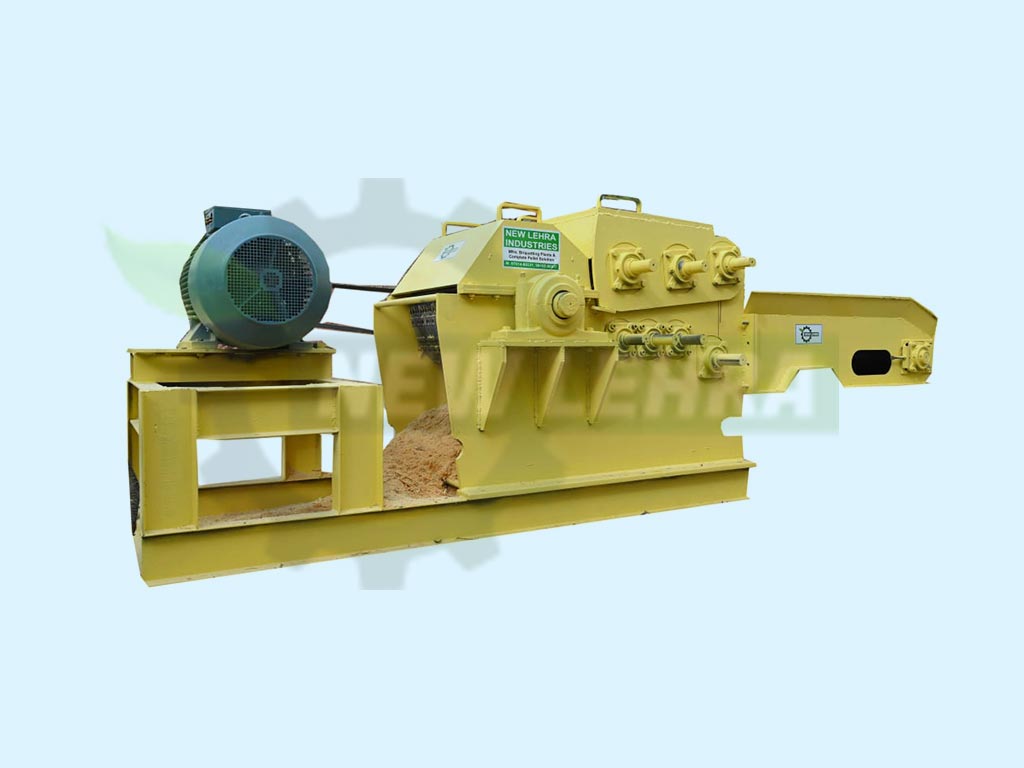
Log eaters are machines used for breaking down wood logs into smaller pieces for further processing, such as wood chipping, wood grinding, or wood pellets production.
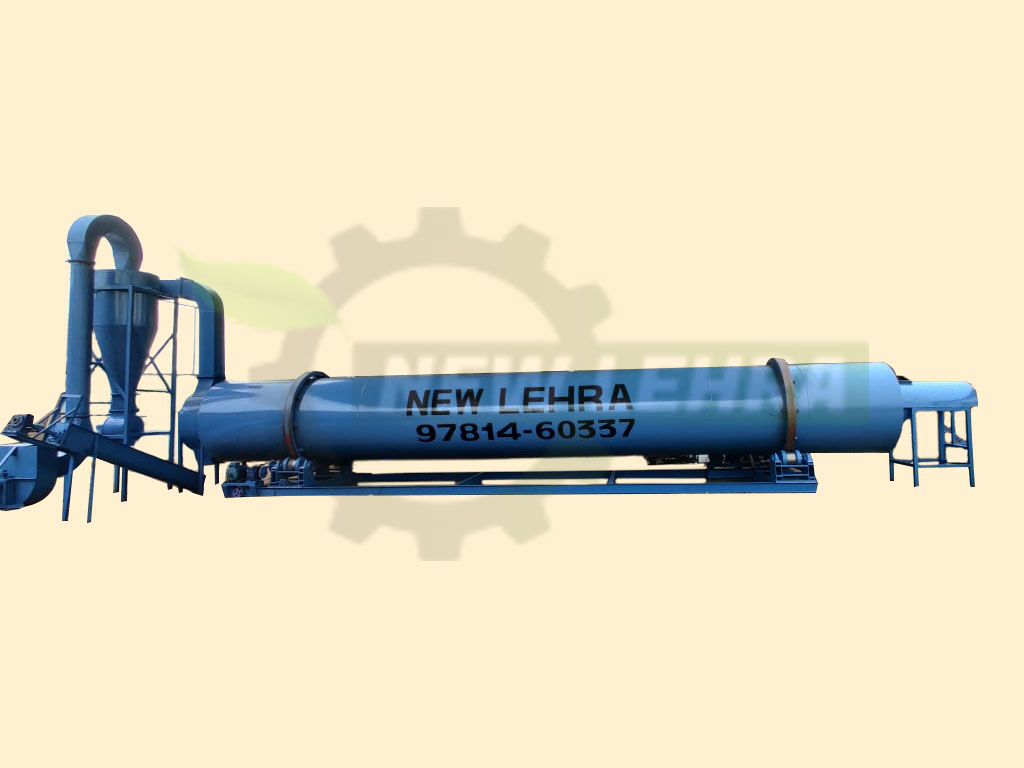
Rotary Drum Dryer is designed to dry the material which contains high moisture up to 50%.
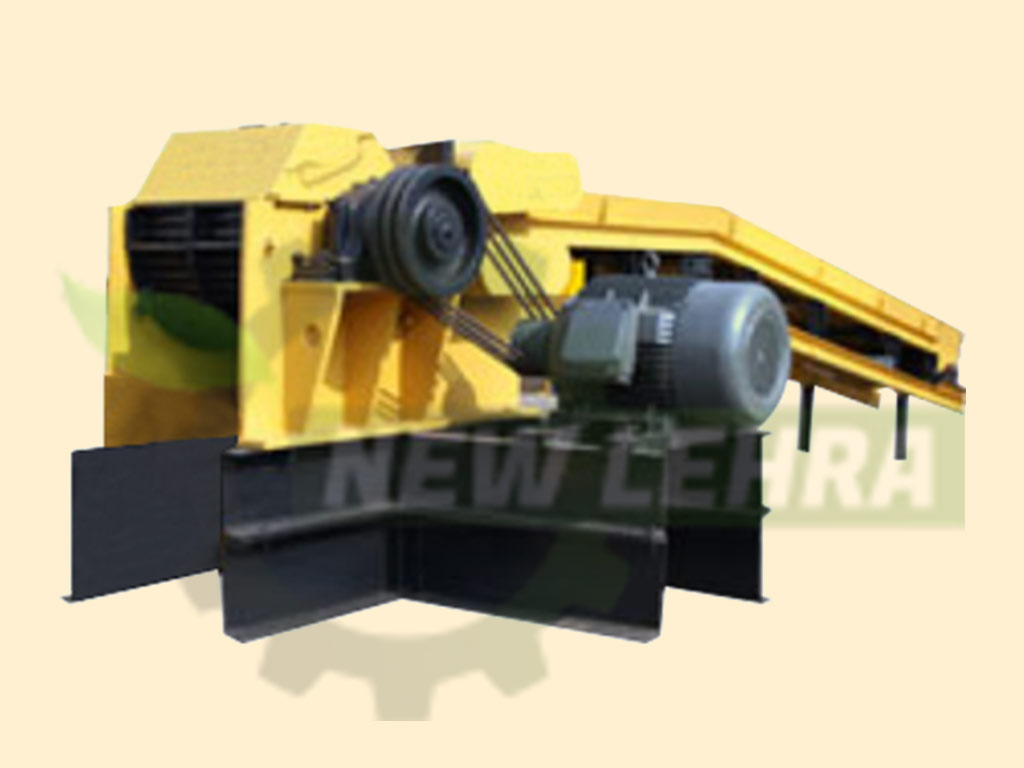
A Chipper grinder is used for chipping and cutting the agricultural and forest waste into smaller size.
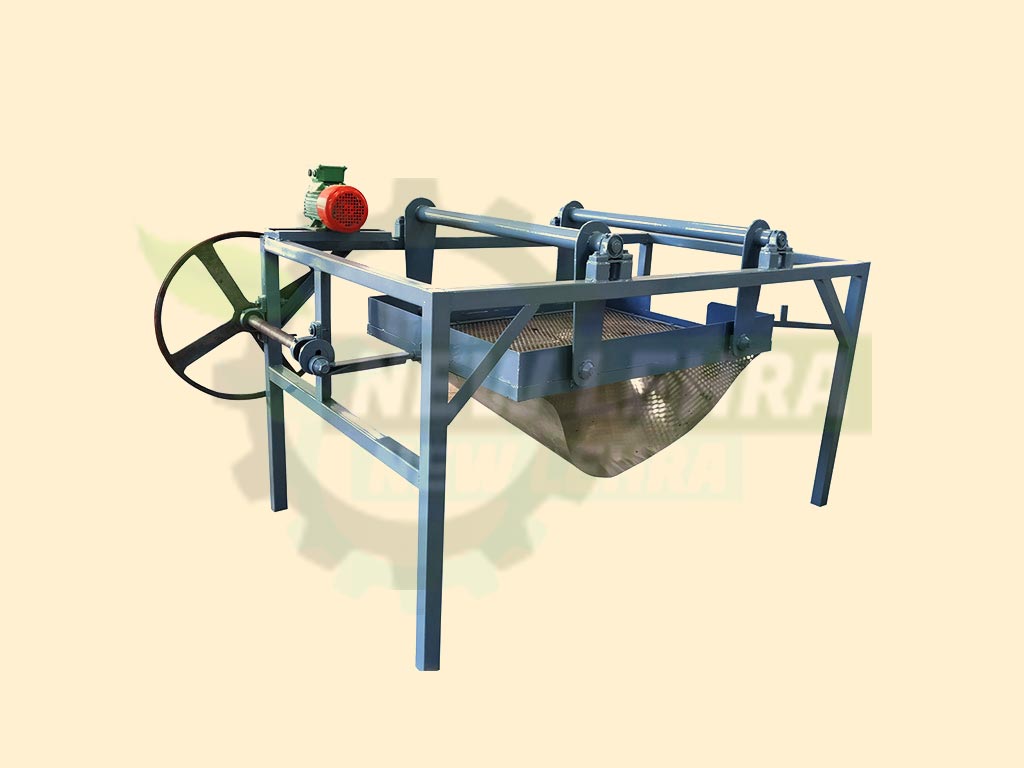
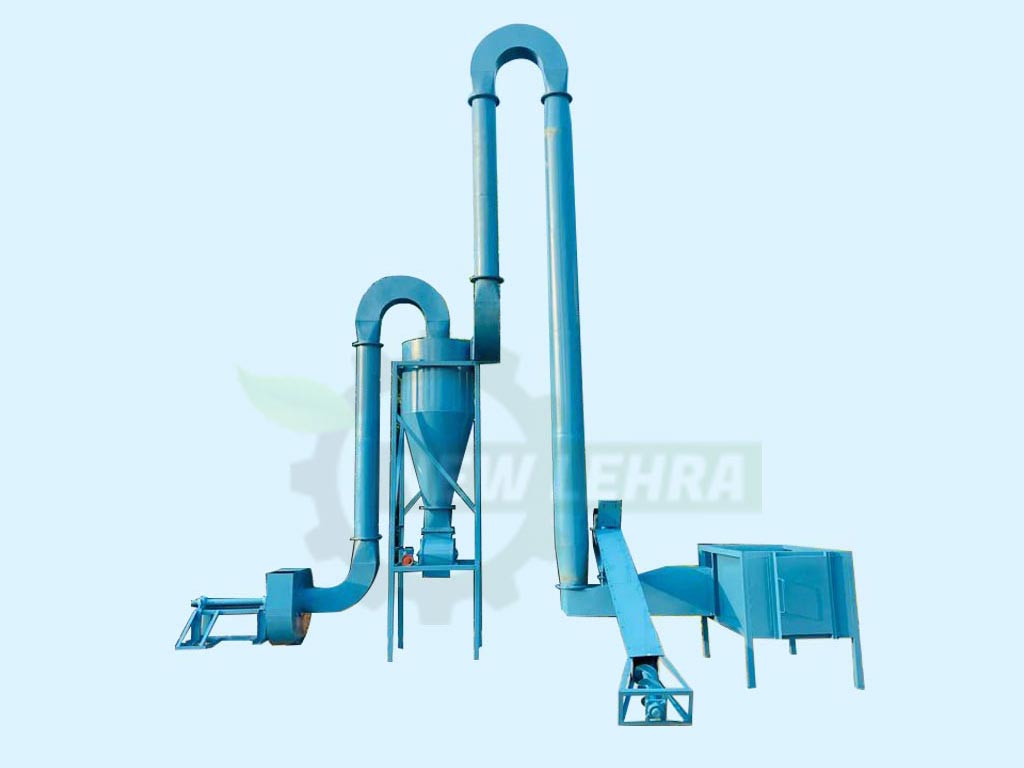
Flash dryer is used to decrease the moisture content of the granulated agricultural or forest waste.
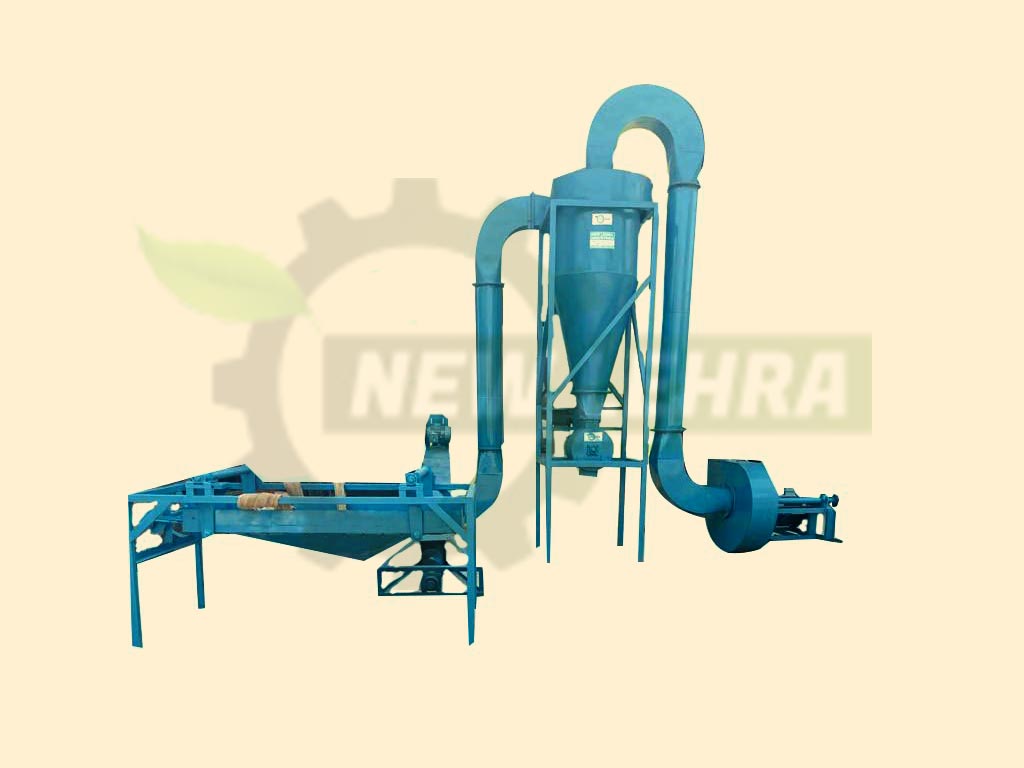
A dust separator is used to dry the raw material having moisture up to 35%.
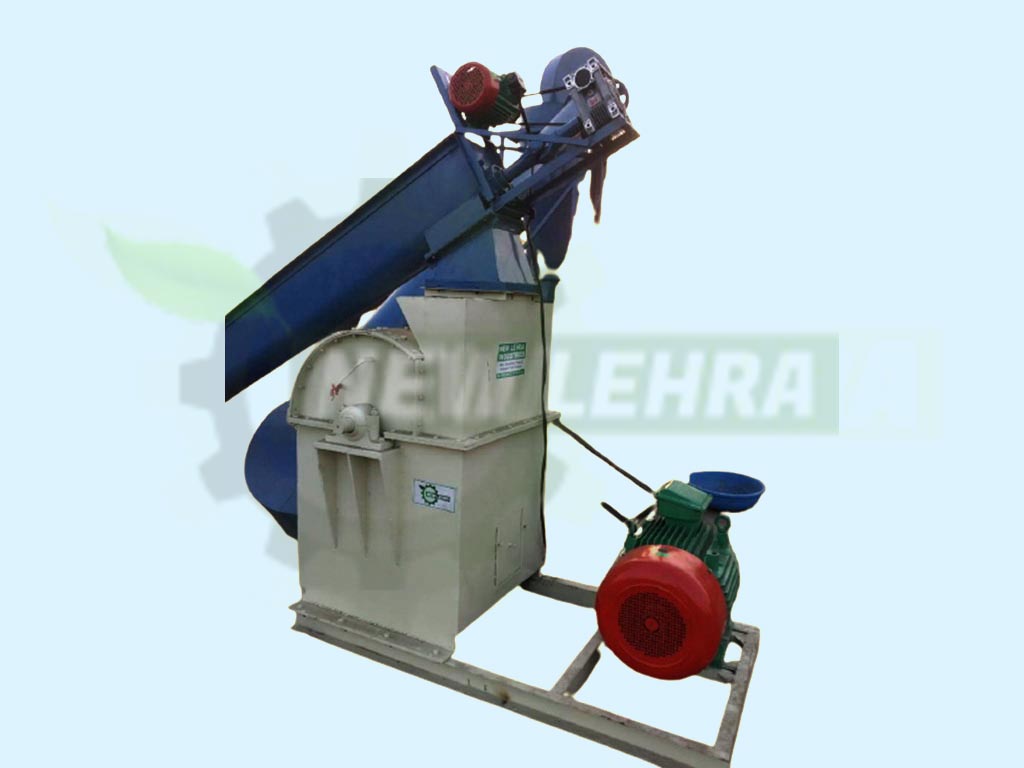
Hammer Mill Grinder is used for the purpose of crushing the agriculture and forest waste into a granulated form
FAQ's
Briquetting equipment is used to compress loose and low-density materials into dense and consistent shapes. There are several types of briquetting equipment, including:
Briquette presses: Briquette presses come in different sizes and capacities, ranging from small manually operated presses to large fully automated systems. They are used to produce briquettes from a variety of materials, such as biomass, charcoal, and paper.
Briquette dryers: Briquette dryers are used to reduce the moisture content of the raw material before it is compressed into briquettes. This helps ensure that the briquettes have a consistent shape and burn more efficiently.
Hammer mills: Hammer mills are used to shred or crush the raw material into smaller pieces before it is compressed into briquettes. This can help improve the consistency and quality of the briquettes.
Biomass boilers: Biomass boilers are used to generate steam or hot water for heating or industrial processes using briquettes as a fuel source.
Briquette cutters: Briquette cutters are used to cut the briquettes to a specific size or shape for use in different applications.
The specific type of equipment used for briquetting will depend on the raw material being processed, the desired output, and the production capacity required.
A briquetting press is a machine used to compress biomass, wood, or other organic materials into compact and uniform-sized briquettes. This process involves applying high pressure to the material, causing the particles to bind together and form a solid mass. Briquetting presses can range from small, manual machines to large, automated systems, and can be used to produce fuel for heating or cooking, as well as for industrial purposes.
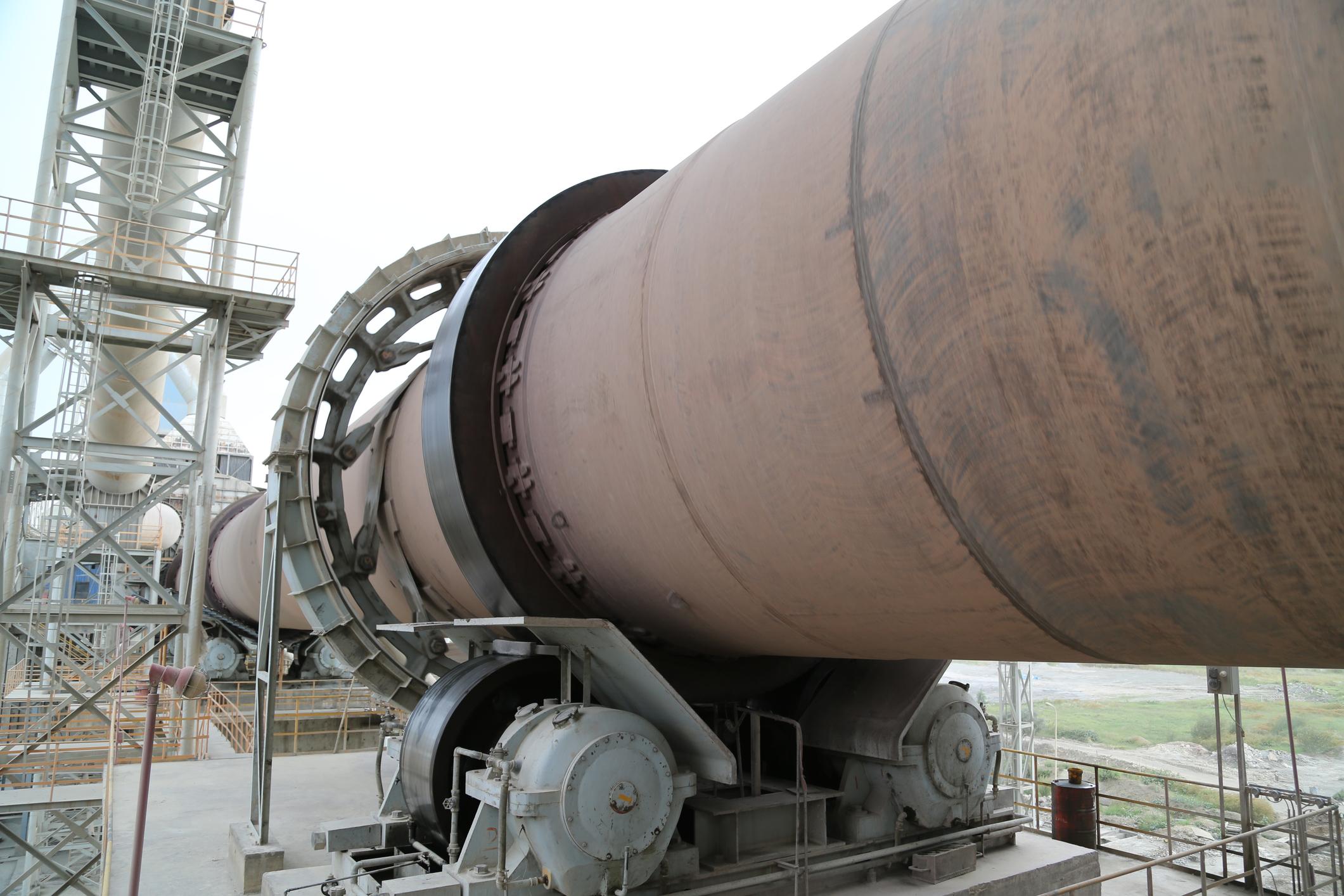
A rotary drum dryer is a type of industrial dryer that is used to reduce or remove the moisture content from various materials. It is commonly used in the food, mining, chemical, and pharmaceutical industries, as well as in agriculture for drying crops and animal feed. The dryer consists of a rotating drum that is heated by gas or electricity, and the material to be dried is fed into the drum at one end and discharged at the other.
The rotary drum dryer operates on a principle of direct contact between the material and the drying medium. The hot gas or air passes through the drum and comes into direct contact with the material, which causes the moisture to evaporate. The evaporated moisture is then carried away by the gas or air, leaving the material dry.
The dryer can be designed to operate in either a co-current or counter-current mode, depending on the material being dried and the desired moisture content. In co-current mode, the material and drying medium move in the same direction, which results in a faster drying time. In counter-current mode, the material and drying medium move in opposite directions, which results in a slower drying time but a more uniform moisture content.
Overall, the rotary drum dryer is a versatile and efficient machine that is used to dry a wide range of materials in various industries. Its ability to operate in either co-current or counter-current mode, along with its high heat transfer efficiency, make it an ideal choice for many drying applications.
There are several types of rotary drum dryers available in the market. Here are some of the common types:
Single pass rotary dryer: This type of dryer is the simplest and most commonly used. It consists of a single rotating drum through which the material to be dried is fed and discharged. The hot gas or air flows in the same direction as the material, and the drying time is relatively short.
Triple pass rotary dryer: This is a more efficient type of dryer that consists of three rotating drums arranged in a series. The material to be dried passes through each drum in turn, and the hot gas or air flows in the opposite direction. This results in a longer drying time but a more uniform moisture content and higher thermal efficiency.
Direct heat rotary dryer: This type of dryer uses hot gases or air that come into direct contact with the material to be dried. The material is fed into the dryer and discharged from the same end, and the hot gas or air flows in the opposite direction. This type of dryer is suitable for materials that are heat-sensitive or have a low ignition point.
Indirect heat rotary dryer: This type of dryer uses hot gases or air that are heated externally and then passed through a heat exchanger to transfer heat to the material to be dried. The material is fed into the dryer and discharged from the same end, and the hot gas or air flows in the opposite direction. This type of dryer is suitable for materials that require gentle drying at low temperatures.
Overall, the type of rotary drum dryer to use depends on the specific needs and requirements of the user, such as the type of material being dried, the desired moisture content, and the available resources for heating the dryer.
There are several types of rotary drum dryers available in the market. Here are some of the common types:
Single pass rotary dryer: This type of dryer is the simplest and most commonly used. It consists of a single rotating drum through which the material to be dried is fed and discharged. The hot gas or air flows in the same direction as the material, and the drying time is relatively short.
Triple pass rotary dryer: This is a more efficient type of dryer that consists of three rotating drums arranged in a series. The material to be dried passes through each drum in turn, and the hot gas or air flows in the opposite direction. This results in a longer drying time but a more uniform moisture content and higher thermal efficiency.
Direct heat rotary dryer: This type of dryer uses hot gases or air that come into direct contact with the material to be dried. The material is fed into the dryer and discharged from the same end, and the hot gas or air flows in the opposite direction. This type of dryer is suitable for materials that are heat-sensitive or have a low ignition point.
Indirect heat rotary dryer: This type of dryer uses hot gases or air that are heated externally and then passed through a heat exchanger to transfer heat to the material to be dried. The material is fed into the dryer and discharged from the same end, and the hot gas or air flows in the opposite direction. This type of dryer is suitable for materials that require gentle drying at low temperatures.
Overall, the type of rotary drum dryer to use depends on the specific needs and requirements of the user, such as the type of material being dried, the desired moisture content, and the available resources for heating the dryer.
Flash drying is a drying technology that involves rapid drying of materials using a stream of hot gas, typically air. The process involves feeding wet material into a chamber, where it is dispersed into a stream of hot gas, which quickly evaporates the moisture from the material. The dried material is then separated from the gas and collected.
Flash drying is widely used in industries such as food processing, chemical processing, pharmaceuticals, and mineral processing, where materials need to be dried quickly and efficiently. The advantages of flash drying include high drying rates, short residence times, and low capital and operating costs compared to other drying technologies.
The flash drying process can be customized to suit specific materials and applications. For example, the inlet temperature of the hot gas can be adjusted to control the drying rate, and the size and configuration of the drying chamber can be optimized to achieve the desired drying performance.
There are various types of flash dryers, including pneumatic, rotary, and fluidized bed dryers. Each type of dryer has its own advantages and limitations, and the selection of the appropriate type of dryer depends on factors such as the properties of the material being dried, the required drying rate, and the desired end product.
Overall, flash drying is a highly efficient and cost-effective drying technology that is widely used in many industries. It is a versatile process that can be tailored to suit specific materials and applications, making it a popular choice for a wide range of drying needs.
A chipper grinder is a machine used in the forestry industry to reduce logs and wood waste into smaller pieces, commonly known as chips or sawdust. This equipment is typically powered by an electric motor, diesel engine, or a power take-off (PTO) system.
Chipper grinders typically consist of a hopper where the wood waste is fed into the machine, a set of rotating blades that chop and grind the material, and a discharge chute where the resulting chips or sawdust are expelled. The size of the chips or sawdust produced can be adjusted by changing the distance between the blades and the discharge chute.
Chipper grinders are commonly used in the production of biomass fuel, as well as for making wood chips for landscaping and playgrounds. They are also used in the paper and pulp industry to process wood waste into pulp or paper. Some larger chipper grinders are mounted on trucks or trailers, allowing them to be used for on-site processing of wood waste.
There are several benefits of using a chipper grinder, including:
Waste reduction: A chipper grinder is an effective tool for reducing wood waste into smaller, more manageable pieces. This reduces the volume of waste that needs to be disposed of and can save on transportation costs.
Cost savings: Processing wood waste with a chipper grinder can create a valuable resource in the form of wood chips or sawdust, which can be used for landscaping, animal bedding, or as a biomass fuel. This can help offset disposal costs and provide a source of revenue.
Increased safety: Large pieces of wood waste can be hazardous to handle and transport. By processing the material with a chipper grinder, it can be broken down into smaller, safer pieces.
Versatility: Chipper grinders can process a wide range of wood waste, including logs, branches, and other forestry byproducts. They can also be used to grind other materials such as leaves, yard waste, and agricultural waste.
Environmental benefits: By processing wood waste with a chipper grinder, the material can be repurposed into a useful resource rather than being sent to a landfill. This can help reduce greenhouse gas emissions and conserve natural resources.
A hammer mill grinder is a machine that is used to shred or crush various materials into smaller pieces. It is a type of size reduction equipment that is commonly used in industrial and agricultural processes. The basic design of a hammer mill grinder consists of a rotating shaft with free-swinging hammers attached to it. The material to be processed is fed into the machine through a hopper, and the rotating hammers impact and shred the material until it is small enough to pass through a screen. Hammer mill grinders are commonly used in the processing of agricultural products, such as grains, as well as in the recycling and waste management industries. They can be used to process a wide range of materials, including: Grains and other agricultural products: Hammer mills are commonly used to process grains, such as corn, wheat, and soybeans, into animal feed or other products. Wood waste: Hammer mills can be used to process wood waste, such as sawdust, into biomass fuel or other products. Recycling: Hammer mills can be used to shred and process a variety of recyclable materials, such as cardboard, paper, and plastics. Minerals: Hammer mills can be used to grind minerals, such as coal, salt, and gypsum, into smaller particles for processing. Chemicals: Hammer mills can be used to grind and pulverize a wide range of chemicals, including pharmaceuticals, fertilizers, and pigments. Construction waste: Hammer mills can be used to process construction and demolition waste, such as concrete and asphalt, into smaller pieces for recycling. Overall, hammer mill grinders are versatile machines that can be used in a variety of industries to process a wide range of materials.
There are several types of hammer mill grinders available, each with their own unique features and advantages. Some of the most common types of hammer mill grinders include:
Gravity discharge hammer mills: This type of hammer mill uses gravity to discharge the processed material through a screen. The screen controls the size of the final product.
Pneumatic discharge hammer mills: This type of hammer mill uses air flow to discharge the processed material through a screen. The screen controls the size of the final product.
Horizontal hammer mills: In a horizontal hammer mill, the material is fed into a hopper located at the top of the machine, and then falls onto a horizontal rotating shaft with free-swinging hammers attached to it.
Vertical hammer mills: In a vertical hammer mill, the material is fed into a vertical hopper at the top of the machine, and then falls onto a rotating shaft with free-swinging hammers attached to it.
Reversible hammer mills: A reversible hammer mill allows the hammers to be flipped and used in both directions, which can extend the life of the hammers and reduce maintenance costs.
Laboratory scale hammer mills: These are smaller hammer mills designed for laboratory or small-scale production applications.
The type of hammer mill grinder used will depend on the specific application and the type of material being processed.
A sawdust briquette machine is a type of equipment that is used to compress sawdust into briquettes for use as fuel. Sawdust briquettes are made from sawdust, wood shavings, and other wood waste materials that are compressed into small, dense blocks.
The sawdust briquette machine works by compressing sawdust and other wood waste materials into a dense block using high pressure and heat. The resulting briquette is a compact and uniform block of wood that can be used as a clean-burning fuel source in a variety of applications, including heating and cooking.
The benefits of using a sawdust briquette machine include:
Cost savings: Sawdust briquettes are a cost-effective alternative to traditional fuels such as coal and wood.
Reduced waste: Sawdust briquettes are made from wood waste materials that would otherwise be discarded, reducing waste and maximizing the use of available resources.
Renewable energy: Sawdust briquettes are made from renewable resources and provide a clean-burning fuel source that can help to reduce carbon emissions.
Easy to store and transport: Sawdust briquettes are compact and easy to store and transport, making them a convenient fuel source for a variety of applications.
Versatile: Sawdust briquettes can be used in a variety of applications, including heating and cooking, making them a versatile fuel source.
Overall, a sawdust briquette machine provides a cost-effective, environmentally friendly, and versatile way to produce clean-burning fuel from wood waste materials.
There are several types of sawdust briquette machines available, each with its own unique features and capabilities. Here are some of the most common types:
Punching Briquette Press: This type of machine uses a reciprocating ram to compress the sawdust into briquettes. It has a relatively small capacity and is most suitable for small-scale production.
Screw Briquette Machine: This type of machine uses a screw to compress the sawdust into briquettes. It has a higher capacity than the punching briquette press and is suitable for medium to large-scale production.
Hydraulic Briquette Machine: This type of machine uses hydraulic pressure to compress the sawdust into briquettes. It has a high capacity and is suitable for large-scale production.
Mechanical Stamping Briquette Machine: This type of machine uses a mechanical press to compress the sawdust into briquettes. It has a high capacity and is suitable for large-scale production.
Charcoal Briquette Machine: This type of machine is specifically designed for producing charcoal briquettes from sawdust or other wood waste materials. It uses high heat and pressure to carbonize the sawdust and compress it into briquettes.
Each type of sawdust briquette machine has its own advantages and disadvantages, and the choice of machine will depend on the specific needs and requirements of the user.
Customer Reviews
Their feedback inspires us to keep improving and delivering exceptional results. Here’s what they have to say about our product and the value we bring to their products.
EXCELLENT Based on 131 reviews
 Posted on Google
 Gursewak Singh
Trustindex verifies that the original source of the review is Google.
New Lehra's introduced new model BPM120 this is latest pellet & Briquette machine.Posted on Google shilpa kashyapBest biomass machines manufacturering company.Posted on Google
 Naila IlyasBest machines ever.Posted on Google
 Manpreet KaurNew Lehra company launched 65 mm body plate machine Model BPM120.I was visited New Lehra & Very happy & satisfied from his service. MD of this company is very kind and helpful me so much & give me proper knowledge of the machine.Posted on Google
 AJIT SINGH MANKOO6y666Ghanaya ji is a generous & Intelligent Person with high Values
Let's Build Your Biomass Project Together
Need help selecting the right biomass machine?
Our experts will recommend the best solution based on your raw material, production capacity, and budget.
Industries we serve
We deliver reliable and energy-efficient solutions across diverse industries, supporting sustainable operations and consistent performance.